Post-Storm Roof Inspections in Louisiana: 5 Things Top Companies Like Priority Roofing Always Check
The calm after a Louisiana storm is a feeling every resident knows well. The wind dies down, the rain subsides, but a new anxiety quickly sets in: “Is my roof okay?” From the ground, things might look fine, but unseen damage can quietly set the stage for disastrous and expensive problems down the road.
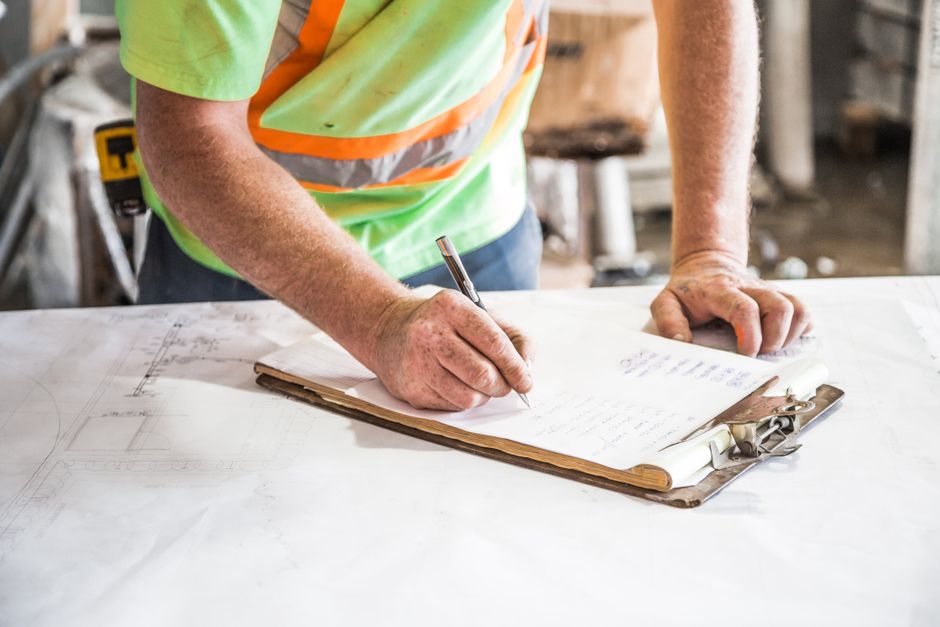
Here at givemethathouse.com, we’re dedicated to providing homeowners with the expert knowledge they need to protect, maintain, and maximize the value of their most important asset. We believe an informed homeowner is an empowered one. After a storm, hidden roof damage can lead to costly long-term problems like wood rot, mold, and compromised structural integrity. A professional inspection is your first and most critical line of defense. This guide breaks down the five critical areas that top-tier companies, like the experts at Priority Roofing, always examine to ensure your home is secure.
Key Takeaways
- A professional post-storm roof inspection is crucial for identifying hidden damage, preventing future leaks, and ensuring a successful insurance claim.
- Top inspectors check for more than just missing shingles; they assess the entire roofing system, including flashing, gutters, and structural components.
- Interior checks, especially in the attic, are a hallmark of a thorough inspection and can reveal leaks before they cause major damage to your home.
- Gutter systems provide crucial clues about the roof’s health, such as the extent of shingle granule loss.
- Choosing a licensed, insured, and reputable local contractor is essential to avoid scams and ensure quality work.
TL;DR
After a Louisiana storm, a professional roof inspection is essential. Top companies meticulously check five key areas: 1) shingle and flashing integrity, 2) gutters for damage and granule loss, 3) seals around vents and skylights, 4) the attic for hidden leaks, and 5) the underlying roof structure for sagging or soft spots.
A professional post-storm roof inspection is non-negotiable for protecting your home from hidden, long-term damage.
After the adrenaline of a storm fades, it’s tempting to assume that if you don’t see a gaping hole, everything is fine. However, the most common types of storm damage—like hail impacts that compromise shingle integrity or wind-lifted seals—are often completely invisible from the ground. Ignoring a professional assessment is a gamble that rarely pays off.
The Danger of “Small” Leaks
A minor, undetected leak is a silent threat. Over weeks and months, that slow drip can saturate the insulation in your attic, rendering it useless and creating a breeding ground for mold. From there, the moisture seeps into the wooden roof decking and rafters, causing them to rot and weaken. By the time you see a water stain on your ceiling, the damage is already extensive and far more expensive to repair.
Insurance Claim Deadlines
Most insurance policies have a time limit for filing a claim after a storm. The Louisiana Department of Insurance advises homeowners to report claims as soon as it is safely possible. A prompt, professional inspection provides the detailed documentation and photographic evidence required to initiate your claim correctly and within the necessary timeframe, preventing potential disputes with your insurer.
The Safety Factor
Above all, attempting a DIY inspection is incredibly dangerous. Walking on a roof that is wet, covered in debris, or potentially weakened by the storm is a risk no homeowner should take. Professional roofers have the specialized safety equipment, such as harnesses and proper footwear, and the training to navigate a roof safely and identify hazards you might not recognize.
A comprehensive inspection from a top company covers five critical areas to assess the full scope of storm damage.
Reputable roofing professionals follow a meticulous, systematic process. They understand that a roof is an integrated system, and damage in one area often signals problems in another. Here’s what companies that deliver results that stand the test of time and weather, like the experts at Priority Roofing, always look for.
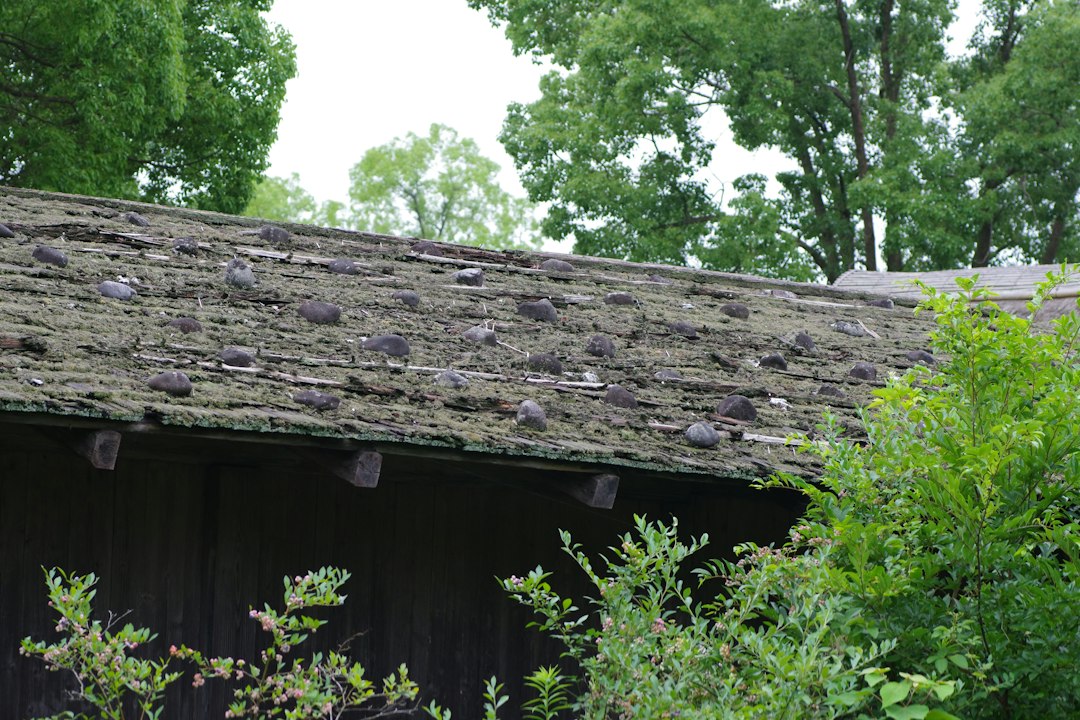
1. Shingle and Flashing Integrity
This is the roof’s primary armor, and it’s the first thing an inspector will examine up close. They will physically get on the roof to check for issues that are impossible to spot from your lawn.
- Missing or Cracked Shingles: This is the most obvious sign of high-wind damage. An inspector will not only count the missing shingles but also check surrounding ones for cracks or tears.
- Hail “Bruising”: Hail strikes don’t always puncture a shingle. More often, they create “bruises” by knocking off the protective asphalt granules, leaving the underlying fiberglass mat exposed to UV rays. This causes the shingle to become brittle and deteriorate rapidly. These spots often look like dark, soft, or dented areas on the shingle’s surface.
- Wind-Lifted Shingles: This is a particularly insidious form of damage. High winds can get under the edge of a shingle and break the factory-applied sealant strip without tearing the shingle off. It may lay back down flat, looking perfectly normal, but it is no longer sealed against wind-driven rain, leaving your roof highly vulnerable in the next storm.
- Damaged Flashing: Flashing refers to the metal strips installed around chimneys, vents, skylights, and in roof valleys. A professional will check to see if these pieces have been bent, lifted, or had their sealant broken by wind or debris, as damaged flashing is a primary entry point for water.
2. Gutters and Downspouts
The gutter system is more than just a tool for water diversion; it’s a key diagnostic tool that tells a story about the storm’s impact on your roof.
- Dents and Dings: Dents in aluminum gutters and downspouts are clear evidence of hail. The size and severity of these dents can help an inspector and your insurance adjuster determine the intensity of the hailstorm.
- Clogs and Granule Loss: A large accumulation of asphalt granules in your gutters is a major red flag. These granules, which look like coarse black sand, are the protective top layer of your shingles. When a storm strips them away, it essentially “ages” your roof by years in a single event, leaving it exposed to the sun’s harsh rays. This is a problem that durable, high-quality roofing solutions from specialists like Priority Roofing are designed to withstand.
- Loose or Sagging Sections: The sheer force of wind and the weight of torrential rain can pull gutters and hangers away from the fascia board. This not only impairs their function but can also indicate damage to the underlying wood they are attached to.
3. Vents, Skylights, and Other Penetrations
Anywhere something penetrates the roof deck—like a pipe, vent, or chimney—is a potential weak point that must be carefully inspected.
- Cracked Seals: Plumbing vents often have a flexible rubber “boot” at their base to create a watertight seal. Hail can crack this rubber, and intense winds can cause it to pull away from the pipe, creating a direct path for water to enter your attic.
- Damaged Vent Covers: Metal and plastic covers on attic vents can be cracked, dented, or completely blown off by hail and high winds, compromising your home’s ventilation and creating an entry point for rain.
- Skylight Leaks: An inspector will meticulously check the entire perimeter of a skylight, examining both the glass for cracks and the surrounding frame and flashing for any sign of seal failure or damage.
4. The Attic and Interior Ceilings
A true professional inspection doesn’t stop on the outside. The view from the attic is often where the earliest and most definitive signs of a leak are found. This inside-out approach is a hallmark of contractors who bring unmatched knowledge of the region’s toughest roofing challenges, a standard set by companies like Priority Roofing.
- Daylight Through the Roof Deck: This is the most obvious sign of a problem. If an inspector can see any daylight coming through the roof boards, you have a hole that needs immediate attention.
- Wet Insulation: The inspector will physically touch the insulation in areas below vents and other penetrations. Damp or compressed insulation is a sure sign of an active leak, even if no water has reached your ceiling yet.
- Water Stains or Mold: Dark stains, discoloration, or the beginnings of mold growth on the underside of the plywood roof decking or along the rafters are clear evidence of a past or present leak.
- Interior Check: As a final step, a quick scan of the ceilings inside your home, especially in rooms on the top floor and around skylights, can reveal new water spots that may have appeared after the storm.
5. Structural and Decking Assessment
Finally, a thorough inspection assesses the “bones” of the roof to ensure the damage isn’t more than skin deep.
- Feel for “Spongy” Spots: As a trained professional walks the roof, they can feel for soft or “spongy” spots underfoot. This indicates that the underlying wood decking has absorbed moisture and is beginning to rot, compromising the structural integrity of the entire system.
- Look for Sagging: From both the ground and on the roof itself, an inspector will check the ridgelines and planes of the roof for any visible sagging. A sagging roofline can signal serious, widespread moisture damage or even a broken rafter, requiring immediate and significant repairs.
A Well-Documented Roof Inspection is a Critical Asset That Protects Your Home’s Long-Term Market Value
At givemethathouse.com, we know that a home’s condition is directly tied to its value. A roof in poor condition is one of the biggest red flags for potential buyers and can significantly lower your property’s worth or even derail a sale. A professional inspection report, complete with photos and detailed notes, is more than just a repair quote. It’s official proof of damage for your insurance company, and once repairs are made, it serves as a clean bill of health for a future buyer. It transforms an unknown liability into a managed and resolved issue, protecting your investment. For more information on maintaining your home, you can explore the diverse topics covered by our expert authors who contribute regularly.
Selecting a Qualified Louisiana Roofing Contractor Involves Verifying They Are Licensed, Insured, and Have a Strong Local Reputation
In the chaotic aftermath of a storm, “storm chaser” contractors often flood affected areas, preying on anxious homeowners. It’s vital to choose a reputable, local company with deep roots in the community.
- Ask for License and Insurance: Always verify that the contractor holds a current license with the Louisiana State Licensing Board for Contractors. They must also carry both general liability insurance to protect your property and worker’s compensation to protect their crew.
- Check Local Reviews: Look for a company with a physical local address and a long history of positive reviews from people in your community. Be wary of companies with no local presence or history. Look for a company specializing exclusively in residential and commercial roofing like the trusted team at Priority Roofing.
- Demand a Detailed, Written Estimate: A legitimate contractor will never give you a verbal quote or a handshake deal. They will provide a thorough, itemized report and a written estimate detailing the scope of work, materials to be used, and total cost.
- Avoid High-Pressure Tactics: Be cautious of anyone demanding you sign a contract on the spot or pay a large cash deposit upfront. A professional will give you time to review their estimate and consult your insurance company. You can find more resources across our various homeowner help categories.
Your First Step Toward Post-Storm Peace of Mind
After a Louisiana storm, your roof requires more than a quick glance from the driveway. A professional inspection that meticulously covers shingles, gutters, penetrations, the attic, and the underlying structure is the only way to truly know your home is safe and secure. By understanding what a high-quality inspection entails, you can confidently hire the right professional, navigate the insurance process smoothly, and protect the long-term value of your home. At givemethathouse.com, our goal is to empower you with that knowledge, because a secure home starts with a sound roof.