
“`json
“““html
Beyond the Quote: Uncovering the Real Cost of Spray Foam Insulation for Your Home
Introduction
The allure of spray foam insulation is undeniable: learn about various insulation materials, an airtight seal, and enhanced home comfort. It promises a modern solution to age-old insulation challenges, often touted as a “set it and forget it” upgrade that pays for itself.
However, the initial price tag often tells only part of the story. Many homeowners overlook the long-term implications and potential hidden expenses that contribute to the real cost of spray foam insulation. Without a comprehensive understanding, what seems like a smart investment can quickly become a financial burden down the line.
This comprehensive guide will dive deep into the real cost of spray foam insulation, exploring not just installation expenses but also long-term implications, potential hidden fees, and its true value proposition for your home. We’ll help you look beyond the initial estimate to understand the full financial picture.
The Upfront Price Tag: What You See on the Quote
Factors Influencing Initial Installation Costs
When you first receive a quote for spray foam, several key factors dictate that initial number. The square footage of the area to be insulated and the desired R-value significantly impact the overall cost of spray foam insulation. Larger areas or higher insulation requirements (meaning more material applied) naturally lead to a higher price.
Geographic location, local labor rates, and the accessibility of the installation area (e.g., tight crawl spaces, high ceilings, or complex attic structures) also play a crucial role in determining the final quote. Furthermore, preparation work, such as clearing existing insulation, sealing large gaps, or minor structural repairs, can add to the real cost before the spray foam even begins. Always ensure your quote details these preparatory steps.
Open-Cell vs. Closed-Cell: A Cost Comparison
Understanding the differences in material density, expansion properties, and application between open-cell and closed-cell spray foam insulation is key to understanding their respective costs.
Typically, open-cell foam is less expensive per board foot due to its lower density and greater expansion, meaning it covers more area with less material. However, closed-cell offers a higher R-value per inch, greater structural rigidity, and a stronger vapor barrier, influencing the overall cost for comparable performance. While closed-cell might cost more upfront, its superior performance in certain applications (like rim joists or exterior walls) can offer better long-term value. Choosing the right type depends on your specific needs, climate, and budget, directly affecting the real cost of your insulation project.
Beyond the Sticker Price: The Hidden & Long-Term Costs
Potential for Remediation and Removal Costs
This is where the real cost of spray foam insulation can unexpectedly skyrocket. Improperly installed spray foam insulation can lead to significant issues, including persistent off-gassing (creating unpleasant odors and potential health concerns), moisture problems (if not applied correctly in relation to vapor barriers), and even structural damage if the foam expands improperly or traps moisture.

The expensive and complex process of removing failed or problematic spray foam and replacing it with new insulation can drastically inflate the real cost of the entire project. This often involves specialized equipment, extensive labor, and disposal fees. This often overlooked aspect is a critical component of the real cost of spray foam insulation if quality control or installation expertise is lacking.
Ventilation and HVAC System Adjustments
The exceptional airtight seal created by spray foam is one of its greatest strengths, but it also creates new demands on your home’s systems. This airtightness can necessitate upgrades to your home’s ventilation system (e.g., Energy Recovery Ventilators or Heat Recovery Ventilators – ERVs/HRVs) to maintain healthy indoor air quality and prevent stale air, humidity buildup, and the accumulation of indoor pollutants.
Your existing HVAC system might need resizing or adjustments due to the significantly reduced heating and cooling load. An oversized system running in an airtight home can short-cycle, leading to inefficiencies and discomfort, adding to the real cost of the overall home energy upgrade. Ignoring these crucial adjustments can lead to comfort issues, moisture problems, and even higher energy bills, undermining the perceived savings of spray foam insulation. Understanding HVAC Needs for an Energy-Efficient Home
Moisture Management and Indoor Air Quality Concerns
While spray foam excels at blocking air, it doesn’t always manage moisture effectively in all situations. If not properly designed and installed, particularly in humid climates or areas prone to moisture intrusion, it can potentially trap moisture within wall cavities, leading to mold growth and compromised structural integrity.
Poor installation or inadequate curing can lead to persistent chemical odors or off-gassing, impacting indoor air quality and potentially health, adding an unforeseen dimension to the real cost. These issues can manifest as respiratory problems, headaches, or general discomfort, requiring professional intervention. Addressing these problems, whether through additional dehumidification, air purification, or professional remediation, contributes significantly to the real cost of spray foam insulation over its lifespan.
The Investment Angle: Where Spray Foam Can Pay Off
Energy Savings and ROI Potential
Despite the potential pitfalls, properly installed spray foam insulation can lead to substantial reductions in heating and cooling costs, offering a strong return on investment over time through lower utility bills. Its superior R-value and airtight properties minimize thermal bridging and air leakage, making your home significantly more efficient.
These significant long-term savings can effectively offset the real cost of installation, making it a worthwhile upgrade for many homeowners seeking energy efficiency. Over 5-10 years, the cumulative savings can often exceed the initial investment. Additionally, highlight potential federal tax credits, local rebates, or energy efficiency programs that can further reduce the real cost and accelerate the payback period, making the investment even more attractive.
Enhanced Home Comfort and Durability
Beyond monetary savings, spray foam provides a more consistent indoor temperature, eliminating drafts, cold spots, and hot zones for superior comfort throughout your home. This consistent environment means less strain on your HVAC system and a more pleasant living experience year-round.
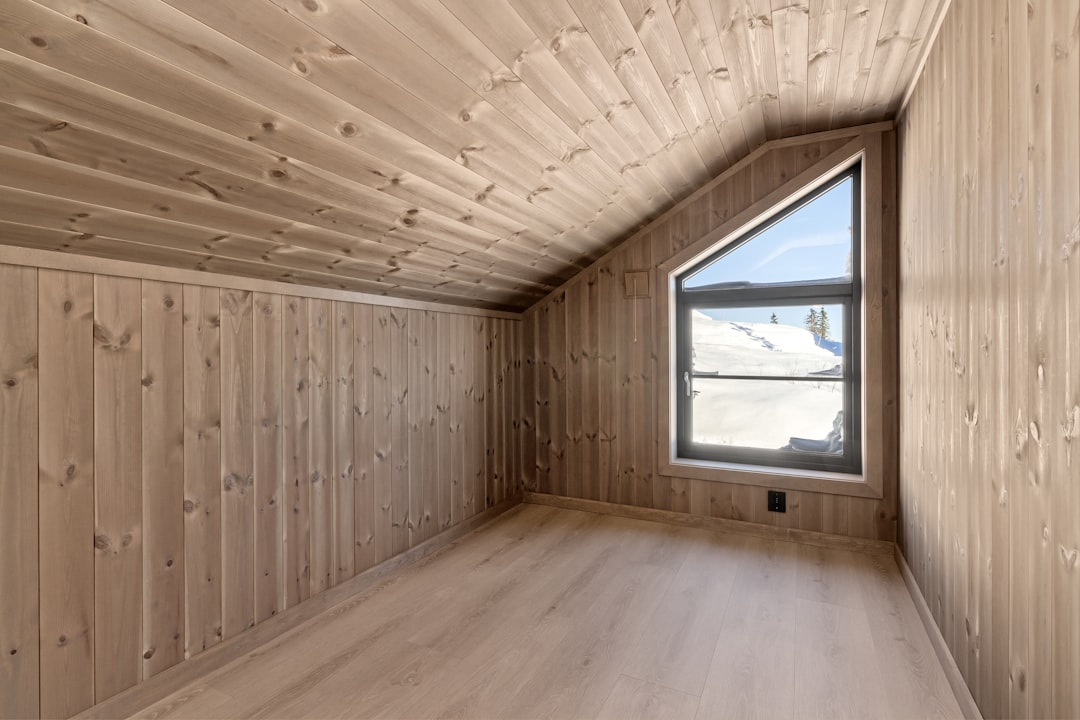
It can also add structural integrity (especially closed-cell foam) and act as an effective barrier against pests, allergens, and outside noise, contributing to the overall value and durability of your home. These intangible benefits, such as improved living quality, a quieter home, and a healthier indoor environment, are an important part of the real cost equation, offering value beyond just dollars and cents. Explore more on Home Comfort Solutions
Making an Informed Decision: Questions to Ask Before You Insulate
Vetting Contractors and Understanding Warranties
Emphasize the critical importance of choosing certified, experienced, and reputable installers to avoid the hidden pitfalls that can drastically inflate the real cost of your project. Look for contractors with specific experience in spray foam, not just general insulation.
Inquire thoroughly about warranties on both the spray foam material itself and the installation workmanship to protect your investment and mitigate potential future expenses. A good warranty should cover material defects and application errors for a significant period. Request references, review past projects, and check for proper licensing and insurance to ensure quality workmanship, which directly impacts the real cost of spray foam insulation long-term. Don’t hesitate to ask for proof of training and certifications.
Considering Alternatives and Hybrid Solutions
Before committing, briefly mention other insulation options like fiberglass, cellulose, or mineral wool, outlining their respective costs and benefits as alternatives to spray foam. Each material has its strengths and weaknesses, and understanding them can help you make a more balanced decision.
Explore hybrid approaches, combining spray foam in critical areas (e.g., rim joists, attics, or crawl spaces) with other materials in less critical zones (like interior walls) to optimize performance and manage the real cost. This can often provide a “best of both worlds” scenario, leveraging spray foam’s unique properties where they matter most without overspending. Encourage homeowners to weigh all available options to find the best solution for their specific home, climate, and budget, ensuring they fully understand the real cost of each choice. A Guide to Different Home Insulation Types
Conclusion
Recap: The real cost of spray foam insulation extends far beyond the initial quote, encompassing potential long-term expenses, necessary maintenance, and the invaluable benefits of enhanced comfort and significant energy savings. While the upfront investment can be substantial, understanding the full spectrum of costs—both monetary and non-monetary—is crucial for a successful project.
Final Thought: While a significant investment, understanding all facets of the real cost empowers homeowners to make a truly informed decision, ensuring their home improvement project delivers lasting value and performance. By asking the right questions and choosing wisely, you can harness the power of spray foam without falling victim to its hidden expenses.
Call to Action: Ready to make smart choices for your home? Visit givemethathouse.com for more expert insights, practical advice, and comprehensive guides on optimizing your home’s efficiency, comfort, and value. Contact Us for Expert Advice
“`